

Modern property development is a complex, multi-phase process that requires strategic planning, skilled professionals, and seamless coordination across multiple trades. From the earliest stages of site preparation to the final aesthetic enhancements, every step plays a critical role in ensuring a successful and long-lasting result. Whether developing a residential property, commercial space, or mixed-use project, understanding how each component fits together can help property owners, investors, and developers make informed decisions.
This comprehensive guide walks through the entire development process—from groundbreaking to finishing touches—while highlighting the importance of working with experienced professionals such as excavating companies, concrete contractors, and specialized service providers.
Planning and Pre-Construction: Setting the Foundation for Success
Before any physical work begins, careful planning lays the groundwork for a smooth development process. This phase includes site evaluation, budgeting, design, permitting, and contractor selection. Site evaluation is crucial as it involves assessing the physical conditions and potential challenges of the location. This may include soil testing, environmental assessments, and an analysis of local zoning laws that will influence what can be built. Following this, a comprehensive budget needs to be established, taking into account not only construction costs but also unexpected expenses that may arise during the project. The design phase is where ideas are transformed into tangible plans, requiring collaboration between architects, engineers, and stakeholders to create a functional and aesthetically pleasing space. Permitting is the important next step, which entails obtaining the necessary approvals from local authorities to ensure compliance with building codes and regulations. Finally, selecting the right contractor is vital, as their expertise and reliability can significantly impact the project’s success. By addressing each of these elements meticulously, developers can mitigate risks and enhance the likelihood of a successful outcome.
Working with experienced excavating companies early in the process is essential. These professionals assess the land, identify potential challenges such as soil stability or drainage issues, and prepare the site for construction. Their expertise ensures that the project begins on solid ground—literally and figuratively.
At this stage, developers should also identify key partners, including a local roofer, a local septic company, and specialists in insulation installation. Engaging with these professionals early in the process facilitates a comprehensive understanding of the project’s unique requirements. By leveraging their expertise, developers can ensure that each system is integrated into the design efficiently, avoiding costly revisions later. Furthermore, these partnerships can lead to valuable insights regarding local building codes, material availability, and innovative technologies that could enhance the project’s sustainability. Effective communication and collaboration with these key stakeholders will help streamline the construction process and contribute to a more cohesive final product, ultimately leading to increased customer satisfaction and project success.
Site Preparation and Excavation
Once planning is complete, the next step is site preparation. This phase involves clearing the land, grading, and excavation to create a stable base for construction. Clearing the land entails removing trees, shrubs, and debris that may interfere with the construction process. Following this, grading is carried out to ensure the land is level, which is crucial for proper drainage and prevents future structural issues. Excavation involves digging to reach the required depth for foundations and underground utilities, ensuring that the ground is solid and capable of supporting the building. Additionally, it is essential to assess soil quality and make any necessary adjustments, such as adding fill or implementing drainage solutions, to further enhance site stability and safety during the entire construction process.
Excavating companies play a pivotal role here. They remove debris, level the terrain, and dig foundations, trenches, and drainage systems. Proper excavation is critical because any errors at this stage can lead to structural issues down the line. Additionally, excavating firms must assess the soil conditions, as the type and stability of the ground can significantly affect the project’s overall integrity. They often conduct site surveys to identify underground utilities and potential hazards before beginning work. Furthermore, safety measures and compliance with local regulations are essential to prevent accidents and ensure the well-being of workers and the surrounding community during the excavation process.
In addition to excavation, this phase often includes preparation for septic systems. A local septic company ensures proper placement and installation, taking into account soil conditions, local regulations, and long-term functionality. A well-installed septic system is essential for both residential and commercial properties, particularly in areas without access to municipal sewer systems.
Foundation and Structural Work
After the site is prepared, construction begins with the foundation. This stage sets the structural integrity for the entire building.
Concrete contractors are responsible for pouring foundations, footings, and slabs. Their work must be precise, as even minor inconsistencies can affect the building’s stability. High-quality concrete work ensures durability and resistance to environmental stressors such as moisture and temperature fluctuations.
In addition to the foundation, concrete contractors may also construct driveways, walkways, and other structural elements that contribute to both functionality and curb appeal. Driveways serve as the main entry point to homes, offering a durable surface for vehicles while enhancing the overall aesthetic of the property. Walkways guide visitors seamlessly to front doors and outdoor spaces, providing safety and accessibility. Beyond these, contractors can create decorative elements such as stamped or colored concrete, adding unique designs that elevate the visual appeal. Additionally, retaining walls and patios can be constructed to provide not only structural support but also inviting areas for relaxation and gatherings. These elements work together to create a cohesive outdoor environment that is both practical and visually striking.
Framing, Roofing, and Structural Systems
With the foundation in place, the building begins to take shape through framing and structural assembly. This phase includes the installation of walls, floors, and the roof.
A local roofer becomes a key player at this stage. Roofing is not just about protection from the elements—it also contributes to energy efficiency, ventilation, and overall building performance. Choosing the right roofing materials and ensuring proper installation can significantly extend the lifespan of the structure.
Simultaneously, other systems such as plumbing, electrical, and HVAC are integrated into the building framework. This integration is fundamental to creating a functional and efficient space, as each system plays a critical role in the overall performance of the building. Coordination among contractors is crucial to avoid conflicts and ensure that all systems function harmoniously. Effective communication and collaboration among the different trades—such as plumbers, electricians, and HVAC technicians—are essential to identify potential issues early in the construction process. By doing so, teams can implement solutions that minimize disruptions and delays. Additionally, thorough planning and regular coordination meetings can help streamline the workflow, enhancing efficiency and ensuring adherence to project timelines. Overall, a well-organized approach raises the quality of construction and contributes to the longevity of the building.
Insulation and Energy Efficiency
Once the structure is enclosed, insulation installation becomes a priority. Proper insulation improves energy efficiency, enhances indoor comfort, and reduces utility costs.
Modern insulation installation techniques go beyond traditional materials, incorporating advanced solutions that provide superior thermal performance. This step is especially important in regions with extreme temperatures, as it helps maintain consistent indoor conditions year-round.
Effective insulation also supports sustainability goals by minimizing energy consumption and reducing the building’s environmental footprint.
Exterior Development and Hardscaping
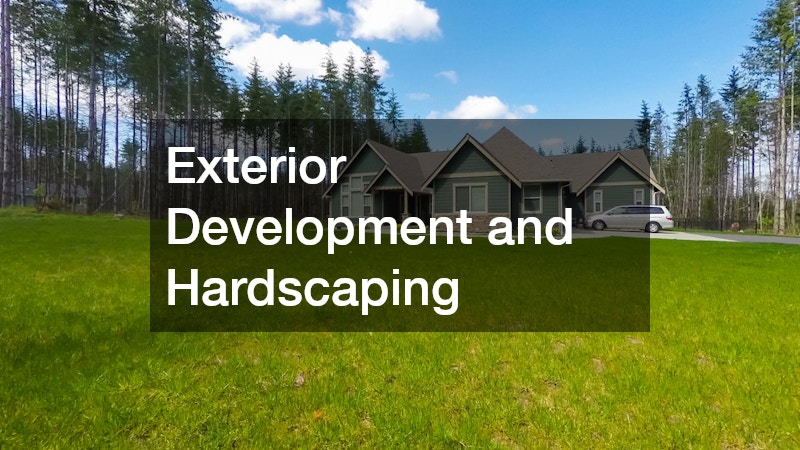
As the building nears completion, attention shifts to exterior elements and site improvements. This phase includes paving, fencing, and landscaping, all of which contribute to the property’s functionality and visual appeal.
Parking lot paving is a critical component for commercial properties and large residential developments. A professional asphalt paving contractor ensures a smooth, durable surface that can withstand heavy traffic and varying weather conditions. Proper grading and drainage are essential to prevent water pooling and extend the lifespan of the pavement.
In addition to asphalt surfaces, concrete contractors may install sidewalks, curbs, and patios, creating a cohesive and accessible outdoor environment.
Fencing and Property Boundaries
Defining property boundaries and enhancing security are key aspects of modern development. Fence contractors provide a range of solutions tailored to the property’s needs, from privacy fences to decorative options.
Aluminum fencing companies offer a popular choice for property owners seeking durability and low maintenance. Aluminum fences are resistant to rust and corrosion, making them ideal for long-term use while maintaining a clean and modern appearance.
Working with experienced fence contractors ensures proper installation and alignment, contributing to both security and aesthetic appeal.
Interior Finishes and Custom Features
With the structure complete, the focus shifts to interior finishes and custom design elements. This is where the property truly comes to life.
Custom glass companies play an important role in modern design, offering features such as glass partitions, shower enclosures, and large windows that enhance natural light and create a sense of openness. These elements add a contemporary touch while improving functionality and visual appeal.
Interior finishes also include flooring, cabinetry, lighting, and painting. Each detail contributes to the overall look and feel of the space, making it essential to maintain high standards of quality and craftsmanship.
Final Systems Check and Quality Assurance
Before the project is considered complete, a thorough inspection and quality assurance process is conducted. This step ensures that all systems are functioning correctly and that the property meets safety and building code requirements.
Key areas of inspection include:
- Structural integrity
- Roofing and weatherproofing
- Plumbing and septic systems (verified by the local septic company)
- Electrical systems
- Insulation performance
Addressing any issues at this stage helps prevent future problems and ensures a smooth transition to occupancy.
Landscaping and Finishing Touches

The final phase of property development focuses on landscaping and finishing touches. These elements enhance curb appeal and create a welcoming environment.
Landscaping may include planting trees, installing irrigation systems, and designing outdoor living spaces. Combined with features like parking lot paving, fencing, and custom glass installations, these details complete the property and elevate its overall value.
Attention to detail during this stage can make a significant difference in how the property is perceived, whether by potential buyers, tenants, or visitors.
The Importance of Choosing the Right Contractors
One of the most critical factors in successful property development is selecting the right professionals for each phase of the project. From excavating companies to asphalt paving contractors, every contractor contributes to the final outcome.
Experienced contractors bring:
- Technical expertise
- Knowledge of local regulations
- Efficient project management
- High-quality workmanship
Collaborating with reputable professionals ensures that each component of the project is executed to the highest standards.
Coordination and Project Management
Effective project management is essential for keeping the development process on track. Coordinating multiple contractors, schedules, and tasks requires careful planning and communication.
A well-managed project minimizes delays, reduces costs, and ensures that each phase transitions smoothly into the next. Clear communication among all parties—from concrete contractors to custom glass companies—helps prevent misunderstandings and ensures a cohesive final result.
Long-Term Maintenance and Value

Property development does not end with construction. Ongoing maintenance is essential for preserving the property’s value and functionality.
Regular maintenance tasks may include:
- Inspecting roofing systems with a local roofer
- Maintaining septic systems with a local septic company
- Repairing asphalt surfaces installed by an asphalt paving contractor
- Cleaning and maintaining glass features from custom glass companies
- Ensuring fences installed by fence contractors remain secure and intact
Proactive maintenance helps extend the lifespan of each component and protects the overall investment.
From the initial groundbreaking to the final finishing touches, modern property development is a dynamic and collaborative process. Each phase—planning, excavation, construction, and finishing—requires specialized expertise and careful coordination.
By working with skilled professionals such as excavating companies, concrete contractors, a local roofer, and a local septic company, developers can ensure that every aspect of the project is handled with precision and care. Incorporating elements like insulation installation, parking lot paving, aluminum fencing, and custom glass features further enhances the property’s functionality and appeal.
Ultimately, successful property development is about more than just constructing a building—it’s about creating a space that is durable, efficient, and visually compelling. With the right approach and the right team, any development project can achieve lasting value and stand the test of time.