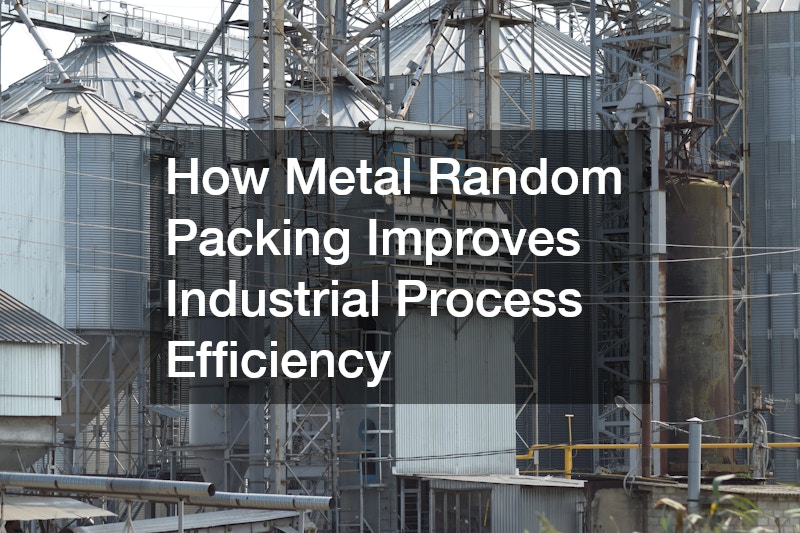

Industrial facilities rely on carefully designed equipment and processes to maintain productivity, quality, and safety. From chemical processing plants to manufacturing facilities, every component within a system can influence overall performance. One important factor in many industrial operations is the efficiency of equipment used for separation, absorption, and other processing applications.
One solution used in various industrial applications is designed to improve the efficiency of processing systems by increasing surface area and promoting better interaction between materials. Understanding how these components work can help businesses make informed decisions when improving their equipment and processes.
Understanding Industrial Packing Materials
Industrial packing materials are commonly used in equipment such as distillation columns, absorption towers, and scrubbers. These materials create a larger surface area within a system, allowing liquids and gases to interact more effectively.
The purpose of packing is to improve contact between different phases of materials during processing. Better contact can support more efficient separation, absorption, or chemical reactions, depending on the application. The design, shape, and material of the packing can all influence how well a system performs.
Manufacturers often select packing materials based on factors such as durability, corrosion resistance, pressure requirements, and the specific needs of the process. Choosing the right option helps ensure equipment operates efficiently while meeting production goals.
How Metal Random Packing Supports Efficiency
One of the primary benefits of metal random packing is its ability to provide a large surface area within processing equipment. This allows liquids and gases to interact more effectively, which can improve the performance of separation and absorption processes.
The design of these materials allows them to fill a column or vessel while creating open spaces that encourage proper flow. This balance between surface contact and airflow helps reduce resistance within the system while supporting efficient operation.
Improved efficiency can provide several advantages for industrial facilities. Systems may require less energy to achieve desired results, production processes may become more consistent, and equipment may operate closer to its intended capacity.
Improving Separation Processes
Many industries rely on separation processes to produce refined products or remove unwanted substances. Whether separating chemical components, purifying materials, or treating gases, efficient equipment is essential.
Effective packing materials help create the conditions needed for successful separation. By increasing contact between liquids and gases, they allow systems to achieve better performance without requiring unnecessary increases in equipment size or operating conditions.
For businesses, improved separation efficiency can contribute to better product quality and more reliable output. A well-designed system can help manufacturers maintain consistent standards while optimizing the resources used during production.
Supporting Energy Efficiency
Energy consumption is an important consideration for industrial operations. Equipment that requires excessive energy can increase operating costs and reduce overall efficiency.
Optimized processing systems can help facilities reduce energy demands by improving how effectively materials interact during production. When processes operate more efficiently, businesses may be able to achieve the same results with fewer resources.
The use of high-quality packing materials can support these improvements by helping equipment function more effectively. Over time, efficiency gains can contribute to lower operating expenses and more sustainable production practices.
Applications Across Multiple Industries
Efficient processing solutions are used across many industries, each with unique operational requirements. Chemical manufacturers, pharmaceutical companies, energy producers, and environmental processing facilities may all rely on advanced equipment designs to meet production needs.
In chemical processing, packing materials may support separation and purification tasks. In environmental applications, they may assist with treating gases or removing unwanted compounds. In manufacturing environments, they can help improve processes that require controlled interactions between materials.
Because industrial needs vary, businesses must evaluate their specific applications before selecting the right solution. Factors such as operating conditions, material compatibility, and desired performance outcomes all play a role in determining the best choice.
The Future of Industrial Efficiency
As industries continue looking for ways to improve performance and reduce resource consumption, efficient processing technologies will remain important. Businesses are increasingly focused on solutions that support productivity while also meeting sustainability goals.
Advancements in materials, equipment design, and manufacturing processes will continue to influence how industrial systems operate. Companies that prioritize efficiency can better adapt to changing demands and maintain strong operational performance.
Innovations involving metal random packing and other industrial solutions will continue helping facilities improve processes and maximize the value of their equipment investments.
Industrial efficiency depends on many factors, from equipment design to the materials used within processing systems. Small improvements in individual components can have a meaningful impact on overall performance, productivity, and operating costs.
By improving material interaction, supporting better separation, and promoting reliable operation, advanced packing solutions help businesses optimize their processes. Facilities that carefully evaluate their equipment needs can find opportunities to increase efficiency and create more effective workflows.
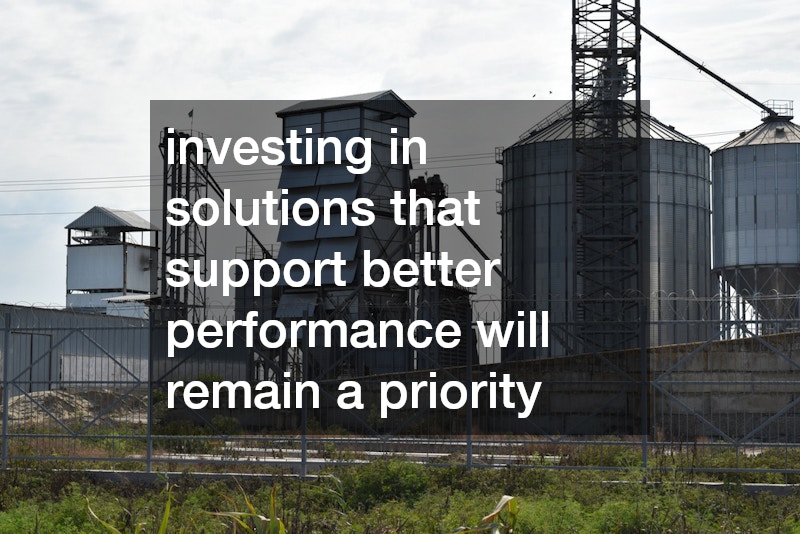
As industries continue evolving, investing in solutions that support better performance will remain a priority. With the right approach, businesses can improve operations, reduce waste, and build more reliable systems for the future. The use of metal random packing is one example of how specialized industrial components can contribute to more efficient processing environments.