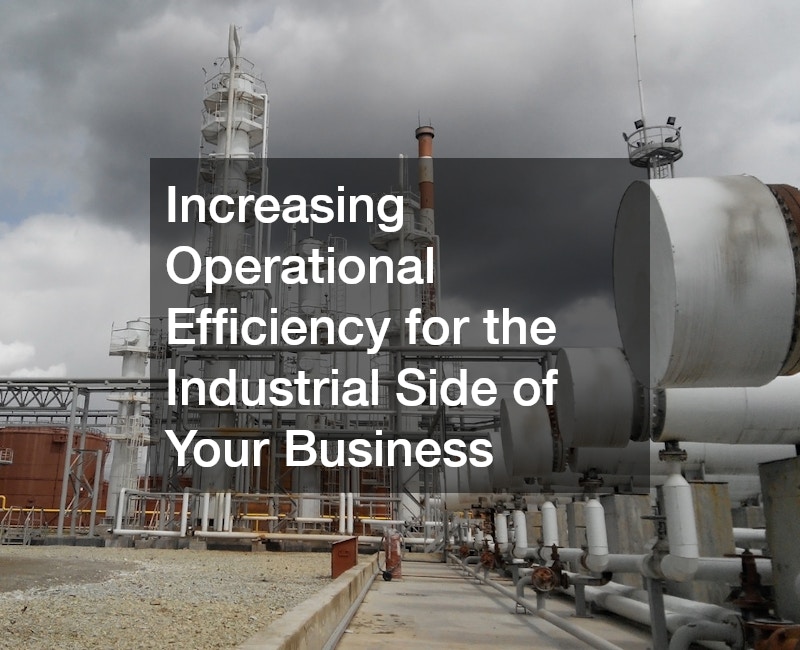

Industrial operations serve as the engine of the global economy, converting raw materials into finished goods and maintaining the physical infrastructure that keeps modern commerce moving. However, managing an industrial footprint presents a unique set of challenges. Operating margins are frequently squeezed by rising energy costs, fluctuating commodity prices, shifting consumer demands, and labor shortages. In this high-stakes environment, even minor operational inefficiencies can compound into massive profit drains over time. Maximizing productivity is no longer merely a goal for quarterly growth; it is a critical requirement for long-term survival and resilience.
Modernizing Industrial Facility Management
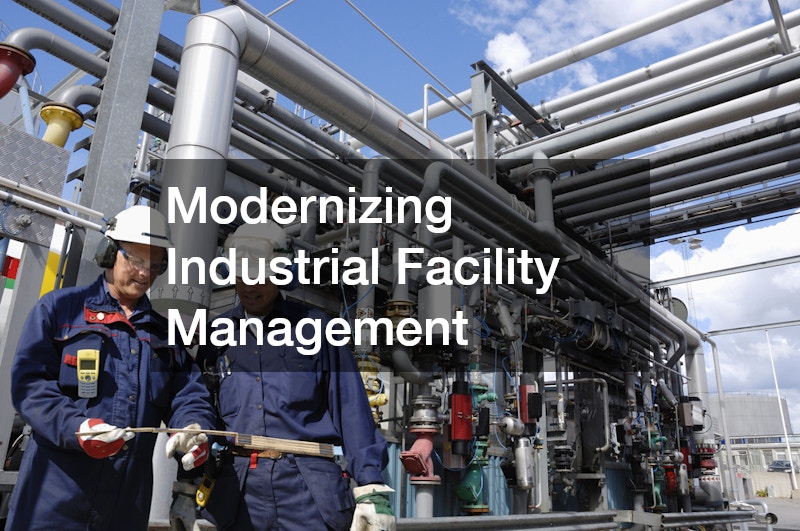
Facility structure and floor layout set the physical boundaries for what your team can achieve. A poorly organized plant creates unnecessary physical movement, bottlenecks during assembly, and heightened safety risks. Modernizing facility management involves reassessing how physical spaces are designed, conditioned, and maintained to support peak throughput.
Optimizing Space Utilization and Workflows
To maximize efficiency, companies must evaluate how materials and personnel move through their physical environment. A poorly arranged floor plan forces workers to transport materials across long distances, resulting in wasted time and increased wear on equipment. Implementing lean manufacturing principles, such as Cellular Manufacturing or the 5S methodology (Sort, Set in Order, Shine, Standardize, Sustain), helps organize work areas logically based on the sequence of operations.
When expanding existing operational capacity, traditional construction methods can cause months of downtime and budget overruns. A fast and cost-effective alternative for adding floor space is constructing a furnished pre engineered metal building on your site. These structures offer rapid installation, customizable layouts, and structural durability, allowing businesses to scale their storage or manufacturing footprint without enduring protracted operational delays.
-
Redesign assembly paths to ensure materials move continuously in a single direction without backtracking.
-
Establish clear visual cues, floor markings, and signage to direct traffic and prevent accidental collisions.
-
Utilize vertical space with heavy-duty pallet racking systems to free up valuable floor acreage for core operations.
-
Position high-frequency tool stations immediately adjacent to the operators who use them most.
Upgrading Safety Protocols and Equipment
Safety and productivity are intrinsically connected. Workplace injuries lead to costly downtime, elevated insurance premiums, regulatory fines, and decreased employee morale. Industrial operations that prioritize workforce protection consistently outperform competitors because their processes remain predictable and uninterrupted. Efficiency efforts must include rigorous risk assessments and proactive investments in protective gear and infrastructure.
High-elevation maintenance and overhead manufacturing tasks carry significant inherent risk. Installing a rigid fall protection system across high-risk work zones provides continuous tie-off capabilities, ensuring technicians can service elevated equipment or assemble large structures safely. Unlike flexible cable systems, rigid overhead rails minimize fall clearance distance and eliminate bounce, allowing workers to move confidently and complete elevated tasks with greater efficiency.
-
Conduct monthly safety audits to identify potential hazards before they result in workplace incidents.
-
Implement ergonomic workstations to reduce repetitive motion injuries and worker fatigue.
-
Provide comprehensive, ongoing training on heavy machinery operation and emergency procedures.
-
Ensure all safety barriers, guardrails, and overhead protection systems meet or exceed current regulatory standards.
Improving Environmental Controls and Air Quality
Industrial operations generate significant amounts of dust, airborne particulates, fume emissions, and heat. Poor indoor air quality directly degrades operator performance, increases absenteeism, and damages sensitive machinery. Furthermore, ambient environmental conditions play a crucial role in maintaining product quality, particularly when handling moisture-sensitive or climate-vulnerable raw materials.
Installing heavy-duty commercial air filters within your facility’s HVAC and dust collection systems ensures a cleaner working environment. These filtration units capture fine dust, smoke, and chemical vapors, protecting worker lung health and preventing abrasive dust from accumulating on sensitive electronics or mechanical components. Clean air circulating through the plant reduces equipment wear, decreases maintenance downtime, and fosters a healthier, more energetic workforce.
-
Clean and replace environmental filters on a strict schedule aligned with air volume and particulate production.
-
Install targeted point-of-source extraction hoods above welding, grinding, and chemical processing zones.
-
Monitor indoor temperature and humidity levels to preserve equipment calibration and material integrity.
-
Conduct regular airflow-balanced assessments to prevent negative pressure zones within the facility.
Optimizing Supply Chain and Raw Material Procurement
An efficient manufacturing floor relies entirely on a steady, predictable flow of raw inputs and reliable transportation logistics. Disruptions in material procurement or internal logistics cause costly assembly line halts, bloated inventory holding costs, and missed client delivery deadlines. Streamlining supply chain processes requires building strong vendor alignment, eliminating movement bottlenecks, and implementing circular material handling protocols.
Securing Reliable Sourcing Partnerships
The stability of your manufacturing operations depends heavily on the dependability of your primary material suppliers. Delays in raw material delivery disrupt master production schedules, leaving expensive machinery idle and operators waiting. Establishing long-term, strategic partnerships with trusted suppliers ensures priority access to quality inputs, predictable lead times, and favorable credit terms.
When sourcing raw structural materials, consistency in grade, tolerance, and delivery schedules is essential. Partnering with a reputable sheet metal supply vendor allows your purchasing department to streamline inventory management through just-in-time delivery schedules. Having a dependable supplier who provides pre-cut or custom-sized stock eliminates material handling steps at your facility, allowing your internal teams to move directly into fabrication without delay.
-
Establish clear quality standards and technical specifications with all material vendors upfront.
-
Consolidate material orders with primary suppliers to negotiate volume discounts and preferred delivery slots.
-
Implement vendor-managed inventory programs for high-use consumables to prevent unexpected stockouts.
-
Diversify your supplier base for critical components to mitigate risk during global supply chain disruptions.
Streamlining Internal Logistics and Transportation
Transporting materials, tooling, and subassemblies between different departments or nearby buildings represents a significant hidden operational cost. Inefficient internal transportation leads to material damage, staging delays, and unnecessary fuel consumption. Industrial managers must evaluate how materials travel across the site and deploy appropriate vehicle and transport options.
Deploying a heavy-duty utility trailer across your industrial compound provides a flexible, cost-effective solution for moving heavy parts, equipment, and raw stock between buildings. Instead of relying on expensive, slow-moving forklifts for long-distance outdoor transfers across large facility grounds, towing specialized trailers behind site utility vehicles accelerates internal material transfers and reduces forklift battery wear.
-
Map internal transport routes to eliminate bottlenecks, narrow passages, and high-traffic pedestrian zones.
-
Schedule batch material movements during shift changes or low-density work periods to avoid floor congestion.
-
Equip all transport vehicles with appropriate tie-downs and protective padding to prevent load damage in transit.
-
Implement smart tracking technologies, such as RFID or barcodes, to monitor raw material location across the site.
Implementing Waste Reduction and Material Recovery
In traditional industrial operations, scrap material, excess offcuts, and discarded packaging represent substantial monetary loss. Modern operational excellence demands a circular approach to material handling, where scrap generation is minimized during design, and unavoidable waste is reclaimed for monetary value. Scrap management directly influences operating margins and environmental compliance goals.
Establishing a systematic approach to metal recycling allows industrial facilities to convert production scrap, spent tooling, and turnings into a revenue stream. By organizing scrap collection bins by metal grade, such as aluminum, copper, and stainless steel, operations can demand higher payout rates from scrap processing partners. Reclaiming these funds directly offsets raw material procurement costs while supporting corporate sustainability initiatives.
-
Integrate automated nesting software in cutting operations to maximize sheet utilization and minimize scrap.
-
Train machine operators to segregate metal turnings and offcuts at the source to preserve scrap value.
-
Audit production lines quarterly to identify processes generating excessive material waste.
-
Partner with certified material recyclers who provide dedicated collection containers and scheduled pickup service.
Elevating Production Processes and Technical Capabilities
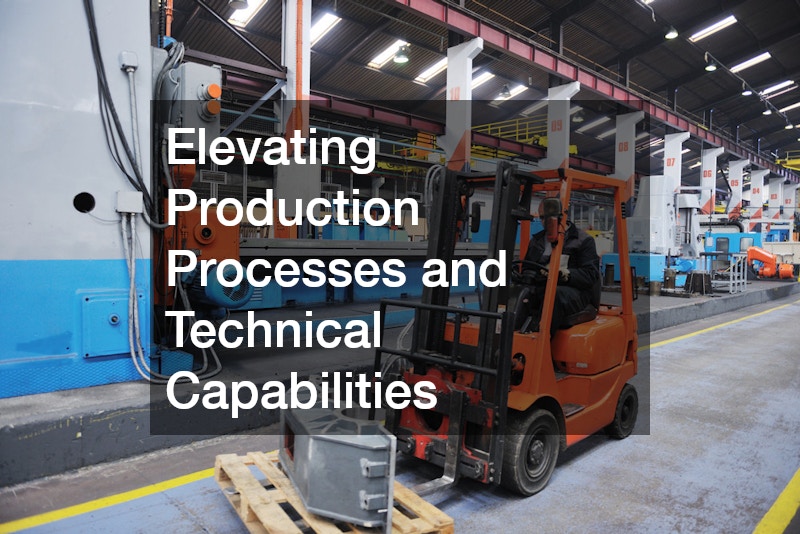
At the heart of every industrial enterprise is the actual conversion process where raw materials become finished goods. Driving efficiency in core production demands continuous technology upgrades, process standardization, and strategic delegation of highly technical sub-tasks to external specialists.
Leveraging Specialized Precision Machining
Modern manufacturing tolerances are tighter than ever, demanding exceptional accuracy and consistency in component manufacturing. Attempting to manufacture complex, highly intricate parts in-house on outdated equipment can lead to high scrap rates, long cycle times, and excessive setup delays. Evaluating whether to invest in specialized internal machinery or leverage regional specialized machine assets is critical for smooth growth.
Partnering with a reliable local cnc machine shop gives industrial firms access to state-of-the-art multi-axis milling, turning, and precision machining without incurring millions in capital expenditure. Working with nearby machining specialists shortens lead times for custom tooling, prototype development, and complex low-volume component production, allowing your internal team to focus on core assembly tasks.
-
Implement standardized tooling packages across all CNC machines to speed up job setup times.
-
Utilize advanced computer-aided manufacturing software to optimize toolpaths and reduce machining cycle time.
-
Perform routine calibration checks on machining equipment to maintain precise dimensional tolerances.
-
Establish clear clear communication channels with external machining partners regarding drawing revisions and specifications.
Enhancing Metal Joining and Structural Fabrication
Structural assembly and metal fabrication form the backbone of many industrial manufacturing operations. Inefficiencies in joining processes, such as inconsistent weld quality, slow travel speeds, or excessive post-weld cleanup, severely reduce line throughput. Optimizing these fabrication processes requires investment in modern power sources, correct consumable selection, and operator skill training.
Adopting advanced welding fabrication techniques, such as pulsed MIG or automated robotic welding cells, significantly improves joint quality while reducing spatter and distortion. Upgrading to high-efficiency power sources cuts electrical consumption and increases travel speeds, enabling technicians to produce clean, structural joints in less time with reduced post-weld grinding requirements.
-
Standardize joint design and preparation standards to ensure repeatable weld penetration and quality.
-
Transition high-volume, repetitive welding applications to automated or semi-automated robotic workstations.
-
Select specialized shielding gas mixtures optimized for specific material thicknesses to minimize weld spatter.
-
Invest in certified welder training programs to keep shop personnel updated on the latest joint techniques.
Outsourcing Non-Core Manufacturing Operations
Trying to handle every single production step in-house can overextend your engineering, quality control, and management teams. Complex sub-assemblies, specialized surface coatings, or high-volume electronic builds often require dedicated facilities and certified skills that lie outside your company core competencies. Attempting to manage these in-house can create operational bottlenecks and lower overall margins.
Strategic collaboration with a full-service contract manufacturing company allows industrial firms to delegate specialized sub-assembly or complete product runs to external experts. This outsourcing model provides scalable production capacity, lowers fixed labor overhead, and enables your internal organization to concentrate on core product development, final assembly, and customer relationship management.
-
Identify non-core, labor-intensive sub-assemblies that can be outsourced without compromising proprietary designs.
-
Conduct thorough quality audits and site visits of prospective contract manufacturing partners before signing contracts.
-
Establish clear key performance indicators and service level agreements to monitor vendor quality and delivery compliance.
-
Maintain open, real-time data integration with manufacturing partners to ensure full supply chain transparency.
Maintaining Infrastructure and Site Ergonomics
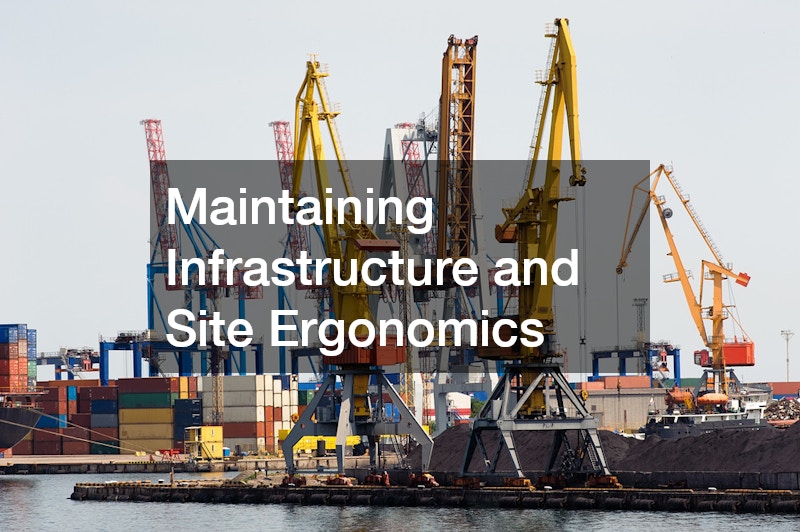
Physical plant assets, ground surface conditions, and heavy equipment require ongoing attention to operate safely and effectively. Ignoring site infrastructure leads to accelerated equipment wear, hazardous working conditions, and unplanned downtime. Proactive maintenance and ergonomic surface upgrades protect physical assets and ensure peak workforce productivity.
Enhancing Facility Surface Performance and Durability
The physical ground surfaces across an industrial site endure immense stress from foot traffic, heavy machinery, and environmental exposure. Deteriorated walkways, cracked staging pads, and uneven outdoor access routes increase slip-and-fall risks, damage transport vehicles, and slow down material movement across the facility. High-performance surface treatments solve these challenges by providing durable, slip-resistant finishes.
Applying high-durability polyurethane track surfacing across specialized sports, recreational, or industrial pedestrian access areas creates a resilient, shock-absorbing layer that stands up to heavy foot traffic and outdoor weather exposure. This specialized surface protection provides exceptional traction, reduces impact stress on workers who walk or run during physical tasks, and guards the underlying substrate against moisture damage and chemical degradation.
-
Inspect outdoor pathways, loading zones, and pedestrian walkways regularly for surface cracking or wear.
-
Apply anti-slip coatings to walkways near wet or oily processing zones to protect personnel from slips.
-
Repair foundation cracks and joint seals promptly to prevent water infiltration and structural freeze damage.
-
Design clear, dedicated walking paths separated from heavy machinery lanes to ensure pedestrian safety.
Preventive Maintenance Strategies for Longevity
Waiting for equipment to break down before performing maintenance is one of the most expensive ways to operate an industrial facility. Unplanned downtime causes missed delivery deadlines, overtime expenses, and potential damage to secondary machine components. Establishing a comprehensive Preventive Maintenance program shifts your operation from reactive firefighting to predictable efficiency.
Implementing Condition-Based Monitoring using Internet of Things sensors enables maintenance managers to monitor vibration, temperature, and fluid cleanliness in real time. Detecting minor mechanical wear before catastrophic component failure allows teams to schedule repairs during planned maintenance windows, maximizing machinery uptime and extending equipment lifespans.
-
Create a centralized computerized maintenance management system to track asset service histories and work orders.
-
Standardize daily operator equipment inspection checklists to catch minor mechanical issues early.
-
Maintain a well-organized spare parts inventory stocked with high-wear components to shorten repair times.
-
Perform regular oil analysis and thermal imaging scans on electrical panels and heavy gearboxes.
Increasing operational efficiency across the industrial side of your business is an ongoing strategic journey rather than a one-time project. It demands continuous evaluation of your physical facilities, supply chain dynamics, production techniques, and maintenance programs. By taking a systematic approach to identifying bottlenecks and implementing targeted operational upgrades, industrial leaders can unlock significant productivity gains and lower operating costs.