
The dream of opening a restaurant is a powerful one. It is fueled by visions of bustling dining rooms, the clinking of glasses, rave reviews from local food critics, and the satisfaction of seeing a community gather around a table to enjoy your culinary creations. However, the gap between that romantic vision and the operational reality is notoriously vast. Industry data consistently shows that roughly 60% of new restaurants fail within their first year of operation, and nearly 80% close their doors before their fifth anniversary. Opening a restaurant is not just a culinary venture; it is a complex exercise in real estate, logistics, civil engineering, construction, and risk management. To survive and thrive, you must build a resilient foundation long before the first plate of food ever leaves the line.
Scouting and Securing the Perfect Location

Finding the right home for your restaurant is the most critical decision you will make. A brilliant concept in a poorly chosen location is an uphill battle that few operators win. When evaluating potential spaces, you must look far beyond the surface aesthetics of a dining room and dive deep into data, demographics, and structural realities.
Analyze Traffic and Neighborhood Demographics
Before signing anything, spend time in the neighborhood at different hours of the day and days of the week. A street that is bustling with corporate foot traffic during Tuesday lunch might become a ghost town on Saturday night.
-
Look at historical foot traffic data and vehicular traffic counts from local municipal offices.
-
Identify your anchor neighbors. Are there theaters, retail centers, or hotels nearby that naturally draw crowds?
-
Analyze the competition. A high concentration of similar concepts can indicate a healthy market, but it can also mean a saturated one. Look for an underserved niche.
Evaluate Accessibility and Visibility
Your restaurant needs to be easy to find and easy to enter. If a customer has to make a dangerous U-turn or struggle to find parking, they will likely choose another option.
-
Assess parking ratios. Does the building offer dedicated parking spaces, or is there a public garage nearby?
-
Check for delivery access. Ensure there is a dedicated zone where delivery drivers and supply trucks can pull up without blocking traffic.
-
Look at signage opportunities. Are you allowed a prominent sign on the building exterior, or are there strict historical district rules holding you back?
Negotiating a Sustainable Commercial Lease
The financial terms of your space will dictate your monthly break-even point. It is highly advisable to work with an experienced tenant broker to locate a local commercial property for lease that matches both your budget and your operational requirements. When negotiating the lease, remember that everything is up for discussion.
-
Tenant Improvement (TI) Allowance: Ask the landlord for a financial contribution toward the construction costs required to turn the space into a restaurant.
-
Rent Abatement: Request a period of free rent during the construction and permitting phase so you aren’t paying for a space that isn’t yet generating revenue.
-
Exclusivity Clauses: Ensure your lease prevents the landlord from renting an adjacent space in the same development to a direct competitor.
Navigating Zoning, Permits, and Heavy Infrastructure
Once you have identified a potential space, you must determine what it will take to make it legally compliant and structurally sound. Transforming a blank shell into a fully functioning restaurant requires an understanding of municipal building codes, health department regulations, and structural engineering.
The Realities of Change of Use
If you are taking over a space that was previously a retail boutique, an office, or a bank, you are triggering a “change of use” permit with your local city hall. This transition requires the space to be brought up to current commercial restaurant building codes, which can be an incredibly expensive surprise if you haven’t budgeted for it.
-
Restaurants require higher occupancy ratings, meaning you will need more exits, wider hallways, and ADA-compliant pathways.
-
The ventilation demands are intense. You will need to route a dedicated Type 1 hood system through the roof of the building to exhaust grease-laden air, which may require structural engineering approval.
Assessing the Building Shell
The structural integrity of your building must be capable of supporting massive commercial kitchen equipment. Walk-in coolers, industrial ovens, and roof-mounted HVAC units add thousands of pounds of stress to a building’s frame.
-
Verify the load-bearing capacities of the floors and ceilings with an architect.
-
Check the ceiling height. Low ceilings can make it difficult to install the necessary ductwork for your ventilation hoods.
-
If you are looking at a completely raw space, an adaptive reuse project, or a standalone build from scratch, collaborating with a firm that specializes in warehouse construction can be an invaluable asset to ensure the basic building envelope is up to code before interior build-outs begin.
Designing a High-Efficiency Kitchen Power Grid

Commercial kitchens are energy hogs. Between induction cooktops, high-speed combination ovens, walk-in refrigeration units, and dishwashers, a restaurant can easily consume up to ten times more energy per square foot than a standard retail store. Designing your electrical system requires precision planning.
Calculating Kilowatt Loads and Phases
You cannot simply plug a commercial fryer into a standard wall outlet. Commercial equipment requires specific voltage and phase configurations to operate safely and efficiently.
-
Work with an equipment specialist to compile an exhaustive list of every appliance you intend to use, noting its voltage, amperage, and phase requirements.
-
Most commercial spaces utilize 3-phase power, which provides a more stable and efficient delivery of electricity for heavy machinery than single-phase residential power.
-
Ensure the main electrical panel coming into the building has enough total amps to support your peak load. Upgrading a building’s main electrical service from the street can cost tens of thousands of dollars.
Strategic Infrastructure and Safety
The layout of your electrical outlets should be dictated by your kitchen workflow, not convenience. You want to avoid a web of extension cords, which present a massive tripping and fire hazard.
-
Place water-resistant, GFCI outlets strategically along the prep lines and dishwashing stations.
-
Drop power cords from the ceiling using twist-lock connectors for central prep islands to keep the floors entirely clear.
-
It is critical to hire qualified commercial electricians who have direct experience wiring restaurant spaces. They will know how to properly interface your kitchen equipment with the emergency fire suppression system, ensuring that if the hood fire suppression system trips, the gas and electric supply to the cooking line instantly shuts off.
Protecting Your Operations Against Power Failures
A sudden power outage can be catastrophic for a restaurant. Not only does it halt service and result in lost revenue for the night, but a prolonged blackout can cause the temperature in your walk-in coolers to rise, spoiling thousands of dollars worth of fresh inventory.
-
Consider installing automatic transfer backup generators on the property.
-
These units detect a drop in utility power and instantly kick on, maintaining a continuous flow of electricity to your most vital systems.
-
Prioritize your generator’s power distribution. If you cannot afford a unit big enough to run the entire restaurant, wire it specifically to keep your refrigeration, freezer units, and essential point-of-sale systems online.
Mastering Waste Management and Plumbing Mechanics
Plumbing is the literal lifeblood of a restaurant kitchen. Water flows in for cooking, cleaning, and guest beverages, and wastewater flows out laden with food particles, soap chemicals, and grease. If your plumbing system fails, your entire operation grinds to a halt immediately.
Designing a Flawless Drainage Network
A kitchen floor should never be flat. It must be meticulously sloped toward a system of strategically placed drains to ensure that wash water and spills quickly clear out.
-
Trench Drains: Install these long, grated drains in high-moisture zones, such as directly in front of your dishwashing machine and underneath the soup kettles or tilt skillets.
-
Floor Sinks: These are recessed square sinks in the floor that accept indirect waste pipes from ice machines, prep sinks, and bar wells, preventing contaminated water from backing up into your food prep areas.
-
Make sure you form a partnership with dependable local plumbers during the early architectural design phase. They will ensure that the slope of your underground pipes is exactly right to maintain a consistent, gravity-driven flow.
Environmental Compliance and Grease Mitigation
One of the most heavily scrutinized aspects of restaurant plumbing is how you handle kitchen grease. Municipalities are incredibly strict about preventing fats, oils, and grease from entering the public sewer system, where they solidify and cause massive city-wide blockages.
-
You will be legally required to install a commercial grease trap to capture these substances before the wastewater exits your building.
-
Grease traps work by slowing down the flow of warm, greasy water, allowing it to cool. As it cools, the grease separates and floats to the top, while solid food particles sink to the bottom, leaving clean water to escape from the middle.
-
Choose between a smaller, under-sink interceptor or a massive, in-ground outdoor vault based on your local code requirements and kitchen volume. This unit must be cleaned out on a strict monthly or quarterly schedule to remain compliant with environmental health regulations.
Establishing Rural or Non-Traditional Off-Grid Utilities
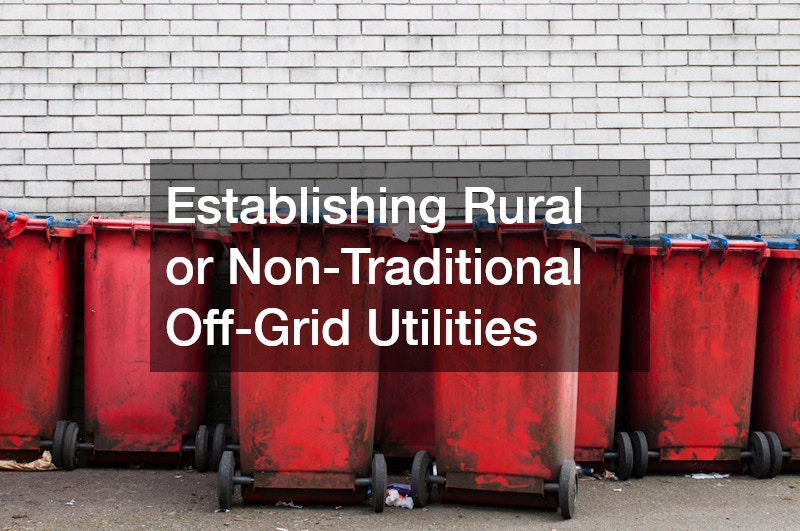
Not every restaurant is located in a bustling urban center with immediate access to municipal sewer lines and city water mains. Destination restaurants, vineyard bistros, farm-to-table concepts located on active homesteads, and rural roadside diners face unique utility challenges.
Operating Outside the Municipal Grid
When you build a restaurant in a rural setting, you essentially become your own utility company. You must ensure that you can safely process all human waste and kitchen greywater on-site without harming the surrounding environment.
-
Standard residential wastewater systems are completely inadequate for the volume and chemical composition of restaurant waste, which contains high levels of sanitizers, detergents, and organic matter.
-
You must invest in a heavy-duty, professionally engineered septic tank system capable of processing high-volume daily surges.
-
These specialized commercial systems often utilize multi-compartment tanks, advanced aeration units, and expansive lateral fields to safely break down wastewater before it filters back into the ground.
Calculating Peak Flow and Load Surges
A commercial waste system must be designed for your absolute busiest days, not your weekly average.
-
Work with an environmental engineer to calculate your maximum potential daily water usage based on seat count, turn rates, and kitchen equipment specifications.
-
Factor in event days. If your rural restaurant hosts weddings or weekend festivals, your system must be able to handle hundreds of extra flushes over a short period.
-
Ensure the soil on your property has passed a rigorous percolation test to confirm it can handle the liquid discharge from your filtration fields.
Creating a Clean, Inviting Brand Aesthetic
The physical appearance of your restaurant shapes a guest’s first impression the moment they step through the door. Your interior design must strike a perfect balance between beautiful brand storytelling and rugged, commercial-grade durability.
The Psychology of Design and Color
The layout, lighting, and color palette of your dining room directly influence guest behavior, comfort, and even their appetite.
-
Warm and Earthy: Deep woods, terracotta, and soft amber lighting create an intimate, cozy atmosphere that encourages guests to linger, order another round of drinks, and enjoy a slow, multi-course meal.
-
Bright and Energetic: High-contrast color schemes, clean white walls, and abundant natural light stimulate movement and quick decisions, which is perfect for high-turnover breakfast spots and fast-casual concepts.
-
Acoustics Matter: Soft surfaces, acoustic ceiling baffles, and strategically placed plants help absorb sound, preventing your dining room from becoming an echo chamber where guests have to shout to be heard.
Selecting Materials That Stand Up to Abuse
A restaurant dining room is a high-traffic combat zone. Chairs scrape against walls, servers bump into corners with heavy trays, and guests spill red wine, oil, and water.
-
Avoid residential-grade materials. Your flooring should be commercial-grade luxury vinyl tile (LVT), polished concrete, or quarry tile that can withstand thousands of footsteps a day.
-
Walls in high-impact zones need extra protection. Use chair rails, wainscoting, or durable wall coverings in your dining room to prevent unsightly gashes.
-
When finishing your walls, relying on professional commercial painting contractors ensures that you utilize high-performance, low-VOC coatings. In the front of the house, you want scuff-resistant, washable matte or satin finishes. In the kitchen, you must use specialized, high-gloss antimicrobial paints that can withstand daily chemical wipe-downs and steam from the dish line without peeling.
Optimizing Daily Back-of-House Logistics

An often overlooked aspect of restaurant design is how materials move into the building and how waste moves out. If your back-of-house logistics are clumsy, it creates bottlenecks, slows down kitchen production, and creates sanitary hazards.
Streamlining the Receiving Dock
Every ingredient that hits your guests’ plates arrives on a delivery truck. Your receiving area must be designed for speed, safety, and inventory control.
-
Position your dry storage, walk-in cooler, and walk-in freezer as close to the back delivery door as possible. This minimizes the distance your staff has to haul heavy boxes of produce and meat.
-
Install a heavy-duty strip curtain on your delivery doors to keep warm air, flies, and dust from entering the kitchen while deliveries are being unloaded.
-
Keep a calibrated commercial receiving scale right by the door so you can instantly verify that the weight of the seafood or beef you are signing for matches the invoice.
Designing an Efficient Waste Management Station
Restaurants produce an incredible amount of trash, recyclable cardboard, and empty glass bottles. How you manage this waste dictates the cleanliness and hygiene of your entire operation.
-
Create a dedicated, enclosed concrete pad for your waste bins outside the kitchen door. This area should be sloped toward a monitored drain so it can be hosed down regularly.
-
Keep dumpsters a safe distance from your outdoor guest seating areas to prevent foul odors from ruining the dining experience.
-
Establish a reliable contract for commercial garbage removal with a provider that offers flexible scheduling. During peak summer seasons, you may need your bins emptied three or four times a week to prevent overflow. Frequent pickups, combined with securing your dumpsters with heavy-duty padlocks, is your primary defense against attracting rodents, raccoons, and birds to your property.
-
For daily trash and food waste, make it a strict policy to line all internal bins completely and wheel them out to the primary receptacles before nightfall, making sure to hose out the individual kitchen bins on a weekly basis.
-
For cardboard and paper items, train back-of-house staff to flatten every box immediately upon delivery to maximize your available recycling space.
-
Separate glass, aluminum, and plastics into dedicated sorting crates located away from the immediate dining view to keep noise levels down when bottles are discarded.
-
Finally, set up a dedicated steel rendering tank to collect used cooking oil, and partner with a local grease recovery service to pump it out monthly rather than letting it sit near your standard trash bins.
Protecting Your Investment and Staff
A restaurant is a high-stakes financial investment filled with expensive cooking equipment, premium inventory, high volumes of cash, and sensitive customer credit card data. Furthermore, it is a workplace filled with sharp knives, open flames, and wet floors. Protecting your business requires an intentional security and safety strategy.
Preventing Theft and Controlling Assets
Inventory shrinkage and internal theft are quiet killers in the restaurant business. Without strict oversight, premium bottles of liquor, expensive steaks, and cash can easily walk out the back door.
-
Camera Placement: Install high-definition surveillance cameras that cover your key vulnerability zones: the cash drawers, the manager’s safe, the liquor storage cage, the walk-in cooler doors, and the back delivery entrance.
-
Access Control: Use digital keycards or unique biometric codes for your employee entrance rather than physical keys. This allows you to track exactly who entered the building and at what time.
-
Inventory Lockdown: Keep high-value inventory items, like expensive wines and spirits, under lock and key, with access restricted only to shift managers.
Monitored Life Safety and Environmental Security
A kitchen fire can destroy your business in a matter of minutes. Your security system must do much more than just watch for intruders; it must actively monitor the health of your physical building.
-
Integrate advanced commercial security systems that combine video surveillance with smart environmental sensors.
-
Your system should include connected smoke alarms, heat detectors over the cooking line, and ambient temperature sensors placed inside your walk-in freezers. If a freezer compressor fails at 2:00 AM on a Sunday, an automated alert is sent directly to your smartphone, allowing you to save your inventory before it thaws.
-
Ensure your security grid interfaces directly with local emergency dispatch services, providing immediate notification to the fire or police department the moment an alarm triggers.
Opening a successful restaurant is undeniably a monumental challenge, but it is also one of the most rewarding entrepreneurial journeys you can take. While it is easy to get swept up in testing recipes, designing beautiful menus, and picking out uniforms, your ultimate success rests upon the foundational choices you make during the planning and build-out phase.