
Expanding an industrial enterprise is rarely a simple matter of increasing production quotas or adding shifts. Physical expansion demands a massive synchronization of specialized expertise, heavy equipment, external real estate, and municipal compliance. When plant managers and directors of operations attempt to absorb these logistical demands internally, project timelines slip, capital expenditure budgets blow out, and core operational output suffers.
A successful facility buildout, site relocation, or regional scaling effort relies heavily on an ecosystem strategy. Rather than treating third-party service providers as transactional vendors, high-performing industrial leadership teams construct network partnerships long before ground is broken or leases are signed. Viewing specialized partners as risk-mitigation assets allows growing enterprises to remain agile, lower fixed operational costs, and execute physical transitions without interrupting active revenue streams.
This comprehensive guide breaks down the essential partner network required to navigate industrial expansion. Across five distinct operational phases, you will learn how to evaluate, select, and integrate specialized experts across real estate procurement, structural engineering, physical logistics, on-site packaging, and ongoing facility management.
Real Estate Sourcing and Site Selection
Finding the Ideal Site for Heavy-Duty Operations
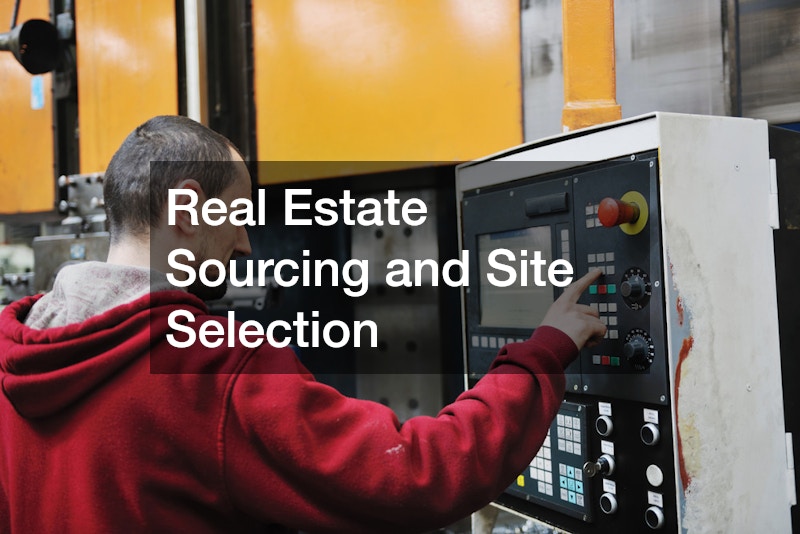
Industrial site selection goes far beyond evaluating basic square footage and base rent pricing. Heavy-duty operations require a granular examination of localized micro-markets, municipal zoning overlays, environmental histories, and heavy transit infrastructure. A site that looks ideal on paper can rapidly turn into a financial pitfall if municipal utility grids cannot support high-voltage machinery or if regional road networks restrict heavy axle weight limits.
To avoid costly site selection errors, expanding firms must partner with experts who specialize purely in industrial, light manufacturing, and logistics properties. Working alongside a licensed realtor who understands the subtle complexities of industrial zoning allows operations managers to filter out properties plagued by restrictive covenants or environmental liabilities. Specialized agents evaluate key operational metrics before a tour even occurs:
- Zoning and Municipal Permitting: Confirming whether the property allows high-impact manufacturing, outdoor staging, 24/7 heavy shift operations, or chemical storage.
- Utility Infrastructure Capacities: Verifying existing electrical service (three-phase power availability), industrial wastewater discharge limits, and high-pressure natural gas lines.
- Transportation Arterials: Measuring physical driving distances to major interstate highways, freight rail spur connectivity, and regional port access points.
- Environmental Phase I & II Audits: Checking historical land use records to ensure the enterprise does not absorb pre-existing ground contamination liabilities.
Navigating triple-net lease terms, environmental indemnification clauses, and municipal tax abatement programs requires hyper-localized market knowledge. Partnering early with real estate professionals fluent in industrial transactions ensures your firm secures a location engineered for heavy work while protecting long-term capital flexibility.
Sourcing Multi-Use Property Portfolios
When expansion plans require combining multiple adjacent land parcels, acquiring specialized distribution hubs, or securing multi-building campuses, conventional real estate channels often fall short. Much of the premier industrial inventory never reaches public listing services; it trades off-market through deep network relationships.
Establishing relationships with established commercial realtors gives growing companies early access to unlisted assets, sale-leaseback opportunities, and upcoming brownfield redevelopments. These specialists act as strategic advisors who negotiate complex real estate structures tailored to long-run operational goals:
- Assembling Contiguous Land Parcels: Quietly negotiating multi-owner purchases to aggregate contiguous acreage for large-scale logistics yards or future facility additions.
- Off-Market Inventory Sourcing: Identifying corporate owners looking to offload excess real estate capacity prior to official broker listings.
- Tenant Improvement Allowances: Negotiating substantial capital contributions from landlords to fund specialized floor reinforcements, loading dock additions, or overhead crane installations.
- Expansion Option Clauses: Structuring long-term lease contracts with built-in right-of-first-refusal terms on adjacent facility suites or surrounding land plots.
Selecting a property portfolio with built-in operational flexibility prevents your organization from outgrowing its footprint mid-lease, ensuring that future physical expansions can occur seamlessly without necessitating another disruptive site relocation.
Structural Integrity and Facility Optimization
Auditing Structural Readiness Before Retrofitting
Moving heavy machinery, multi-tiered inventory racking, or automated material handling systems into a new or expanded space presents serious structural risks. Existing commercial buildings were often engineered for specific, lower-density dynamic loads. Retrofitting an industrial building without verifying its foundational limits can lead to slab cracking, structural sag, or catastrophic floor failure.
Before installing new production lines or heavy machinery, operations teams must engage a qualified structural engineering company to conduct comprehensive physical and mechanical audits. These assessments determine whether the existing structure can safely withstand the dead loads, live loads, and operational vibrations of your specific industrial footprint.
- Slab Thickness and Concrete Compressive Audits: Core drilling and ground-penetrating radar tests evaluate existing floor slab thickness, rebar reinforcement patterns, and subgrade soil compaction.
- Vibration and Dynamic Load Testing: Calculating how continuous mechanical oscillations from stamp presses, CNC clusters, or high-speed sorters impact structural fatigue over time.
- Mezzanine and Roof Truss Capacity Checks: Ensuring overhead roof trusses can support suspended HVAC units, dust collection ducts, or upper-level mezzanine storage platforms.
- Seismic and High-Wind Code Compliance: Retrofitting structural support columns and bracing to meet updated regional building safety codes.
By identifying structural deficiencies prior to machine delivery, enterprise leaders avoid catastrophic downtime, protect personnel, and budget for necessary foundation reinforcements or floor replacement projects upfront.
Optimizing Internal Footprints for High-Volume Storage
Physical space is often one of an industrial firm’s most expensive operational overheads. Expanding outward by leasing additional floor space is far less cost-effective than optimizing vertical space within an existing building envelope. High-volume industrial throughput requires designing a floor plan that balances dense inventory accumulation with safe, rapid material handling paths.
Implementing modern warehousing strategies involves analyzing material velocity, batch sizes, and order fulfillment cycles to construct an efficient layout. Moving from basic floor-stacking models to engineered storage solutions dramatically lowers square-footage requirements while boosting picking speeds:
- Clear-Height Optimization: Utilizing high-bay selective, drive-in, or push-back racking systems to capture vertical volume up to ceiling clearance limits.
- Cross-Docking Infrastructure: Designing linear, direct paths from receiving bays to outbound shipping docks to minimize internal transit touches for high-turnover SKUs.
- Aisle Width Engineering: Customizing aisle dimensions based on the specific turning radii of specialized materials handling equipment, such as narrow-aisle reach trucks or automated guided vehicles.
- Climate-Controlled Sub-Zones: Partitioning specialized internal inventory zones for temperature-sensitive raw materials, high-value components, or hazardous goods.
Streamlining internal material workflows eliminates transit bottlenecks, reduces employee travel distances, and creates a clean, predictable floor layout capable of processing higher volumes without physical clutter.
Logistics Fleet and Mobile Asset Sourcing
Building an Adaptable Logistics Fleet
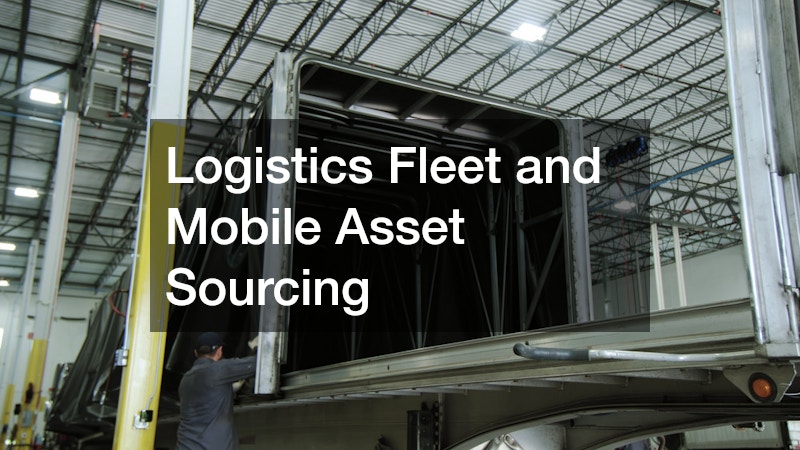
Expanding production output inevitably puts immense pressure on outbound transport networks. Relying solely on third-party freight brokers or spot-market haulers leaves growing enterprises vulnerable to capacity crunches, sudden rate spikes, and unreliable delivery schedules. To maintain strict customer service-level agreements, expanding enterprises must build or scale a dedicated internal transport fleet.
Building an adaptable transport asset base requires matching specific haulers, trailers, and bed styles to the physical profiles of your raw input materials and finished goods. Partnering with a professional trailer dealer allows operations managers to source, customize, and maintain the precise fleet assets needed for heavy transport needs.
- Equipment Sourcing Strategy: Evaluating fleet composition across heavy-duty dry vans, temperature-controlled reefer units, step-decks, or lowboys for oversized machinery movement.
- Flexible Financing Structures: Comparing capital purchases against operating leases or long-term rental agreements to preserve working capital while expanding fleet size.
- Customized Hauling Features: Specifying heavy-duty floor ratings, custom tie-down track systems, hydraulic tailgates, and side-curtain access doors tailored to specific freight profiles.
- Fleet Maintenance Agreements: Partnering on preventative maintenance contracts, roadside repair support, and routine DOT safety inspections to keep haulers active on the road.
A well-planned transport fleet gives growing industrial firms complete control over their logistics supply chain, guaranteeing shipping capacity during peak demand cycles while minimizing freight margin erosion.
Solving On-Site Flexible Storage Bottlenecks
Industrial expansion rarely proceeds in a perfectly smooth line. Seasonal inventory surges, delayed construction phases, or sudden bulk material purchases can easily overwhelm existing internal warehouse space. When floor space hits max capacity, standard indoor operations slow down, staging corridors become blocked, and safety risks skyrocket.
Rather than committing to expensive, long-term external warehouse leases to handle temporary inventory spikes, companies can deploy agile mobile storage units directly on site. Purchasing an industrial-grade shipping container for sale provides an immediate, weather-resistant, and secure solution for temporary overflow or specialized outdoor tool storage.
- Securing Outdoor Tool and Component Storage: Keeping expensive installation tools, staging hardware, and maintenance components secure on active facility expansion sites.
- Managing Seasonal Bulk Inventory: Storing non-perishable raw materials, packaging supplies, or finished overflow goods directly in secure outdoor staging yards.
- Deploying Modular Workspaces: Converting heavy-duty steel containers into temporary ground-level site offices, security access points, or specialized break quarters during facility construction.
- Eliminating Double-Handling Freight Costs: Utilizing portable storage containers that can be loaded on site, transported via flatbed, and unloaded directly at secondary branch facilities without repacking.
Agile mobile storage solutions provide immediate site flexibility, protecting valuable assets from weather exposure and theft while preventing temporary spatial bottlenecks from halting core manufacturing operations.
In-House Packaging and Waste Management Solutions
In-Sourcing Custom Packaging Operations
As outbound shipment volumes increase, traditional packaging models often become major operational bottlenecks. Purchasing pre-made, standardized corrugated boxes from external vendors frequently leads to high inventory holding costs, stockouts of critical box sizes, and excessive dimensional weight shipping fees due to oversized packaging.
To streamline packaging efficiency and lower per-unit fulfillment costs, expanding facilities are increasingly bringing packaging fabrication directly in-house. Integrating automated cardboard box making machines directly into outbound packaging lines allows operations teams to produce exact-size custom boxes on demand.
Turning Scrap Material into Revenue Streams
Heavy industrial expansion, facility retrofitting, and high-volume manufacturing generate vast quantities of scrap metal, demolition debris, and production offcuts. Treating these waste materials as generic refuse leads to massive dumpster rental bills, heavy landfill fees, and wasted asset value.
Establishing a structured scrap management system turns waste handling costs into a recurring operational revenue stream. Partnering with an industrial metal recycling business enables growing facilities to efficiently collect, segregate, and sell valuable ferrous and non-ferrous scrap offcuts generated during manufacturing and construction.
Exterior Facility Care and Employee Amenities
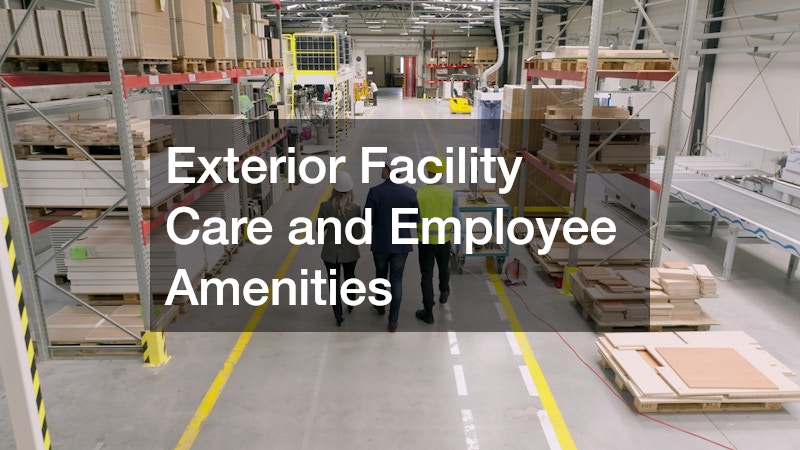
Protecting Exterior Infrastructure and Heavy Traffic Paths
The exterior infrastructure of an industrial plant endures continuous wear and tear. Constant heavy semi-truck traffic, yard truck turns, and heavy machinery transfers subject external asphalt driveways and loading dock aprons to severe structural stress. Neglecting exterior grounds leads to deep rutting, pothole formation, standing water drainage failures, and major safety hazards for both vehicles and foot traffic.
Maintaining safe, presentable, and long-lasting exterior operational paths requires partnering with professional ground maintenance experts. Establishing a contract for ongoing parking lot maintenance ensures that high-traffic driveways, loading bays, and employee parking areas remain structurally sound and free of liability risks.
Supporting Workforce Well-Being and Morale
Scaling physical operations is only half the expansion equation; sourcing, retaining, and supporting skilled operational personnel is equally critical. Industrial manufacturing plants and regional distribution centers are often located in isolated industrial parks, miles away from urban retail corridors or quick dining options. Limited access to fresh meal options during short shift breaks directly impacts employee satisfaction and productivity.
To create a high-retention workplace culture, expanding facilities are increasingly investing in creative, high-value workplace amenities. Partnering with a respected local restaurant to provide high-quality catering, subsidize daily shift lunches, or manage on-site dining facilities significantly boosts day-to-day employee morale.
Constructing a Resilient Industrial Growth Framework
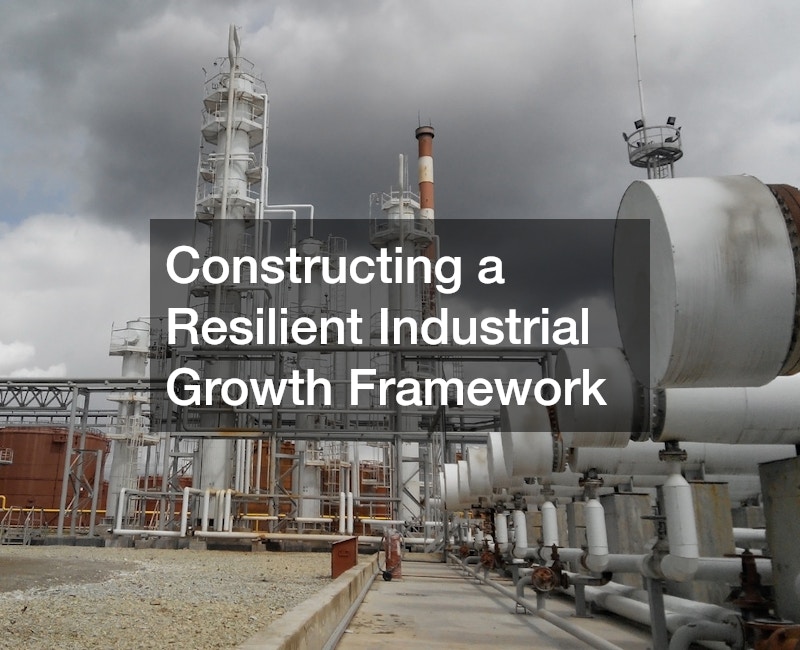
Physical industrial expansion does not have to be a chaotic, high-risk endeavor. By shifting from a reactive transactional vendor model to a proactive strategic partner network, industrial enterprise leaders can systematically de-risk every stage of the growth process.
Whether you are negotiating a complex lease on a secondary manufacturing facility, reinforcing concrete floor slabs to support heavy automation, scaling your outbound transit fleet, or building out modern amenities for your workforce, relying on domain-specific experts ensures high-quality execution.
Take time to audit your enterprise’s operational expansion plan today. Identify vulnerable vendor gaps early, establish trust with specialized service partners across all five expansion phases, and build an agile, scalable foundation designed for long-term industrial market leadership. Call professionals for support today.